
How to Tell It’s Time to Replace Your Windows in Canada
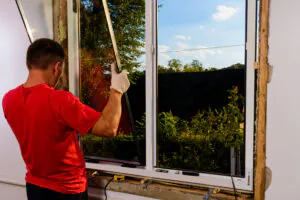
September 2, 2026 – Your windows do far more than frame your view. They help regulate indoor temperatures, improve energy efficiency, reduce noise, and protect your home from Canada’s diverse climate conditions. From prairie winters and coastal rainstorms to humid summers and freeze-thaw cycles, Canadian windows face year-round wear and tear.
Even high-quality windows eventually lose their effectiveness. Recognizing the early signs of window failure can help prevent energy loss, moisture damage, rising utility bills, and reduced comfort. If you’re wondering whether it’s time to invest in replacement windows, here are eight warning signs Canadian homeowners should never ignore.
1. Your Energy Bills Keep Rising
A noticeable increase in heating and cooling costs is often one of the first indicators that your windows are no longer performing efficiently. As windows age, seals can fail, frames can deteriorate, and air leakage can increase. During winter, warm indoor air escapes, while summer heat enters your home more easily. This forces your HVAC system to work harder year-round.
Signs to Watch For:
Rising energy bills, longer furnace or air conditioner run times, and rooms that never seem to maintain a comfortable temperature are all common signs that your windows may no longer be performing efficiently. As windows age, they can allow heat to escape during the winter and enter during the summer, forcing your HVAC system to work harder to maintain indoor comfort. Modern energy-efficient windows are designed to address these issues with advanced features such as Low-E glass coatings, insulated frames, and double- or triple-pane glazing, helping improve thermal performance, enhance year-round comfort, and reduce overall energy consumption.
2. You Feel Drafts Around Closed Windows
If you can feel cold air entering your home around a closed window, it’s a strong indication that your windows may need replacement. Over time, weatherstripping wears out, seals degrade, and window frames can warp or shrink due to age and weather exposure. These small openings allow air infiltration that reduces comfort and increases heating costs.
Common Draft Symptoms:
Cold spots near windows, noticeable airflow around window frames, and rising heating or cooling costs are common signs that your windows may be allowing unwanted air infiltration. Drafty windows can make it difficult to maintain a comfortable indoor environment, forcing your HVAC system to work harder to compensate for lost conditioned air. While minor drafts can sometimes be resolved with repairs or updated weatherstripping, persistent air leaks often indicate that the window’s components have deteriorated and that a full window replacement may be the most effective solution for restoring energy efficiency, comfort, and overall performance.
3. Condensation or Fog Appears Between Glass Panes
Condensation on the inside of a window during extreme temperature differences can be normal. Condensation trapped between panes, however, is not.
This typically indicates a failed insulated glass seal.
What Happens When a Seal Fails?
When a window seal fails, moisture can enter the space between the panes of glass, often leading to condensation, fogging, or a cloudy appearance. At the same time, argon or other insulating gases can escape, reducing the window’s ability to maintain indoor temperatures efficiently. As a result, energy efficiency declines, heating and cooling costs may increase, and the clarity of the glass can become permanently compromised. Beyond affecting performance, failed seals can also impair visibility and detract from the overall appearance of your home.
Warning Signs:
Foggy glass that never clears, water droplets trapped between the panes, and permanently hazy windows are all common indicators of a failed window seal. When the seal of an insulated glass unit breaks down, moisture can enter the space between the panes while the insulating gas escapes, reducing the window’s energy efficiency and affecting its appearance. Because the seal cannot typically be restored once it has failed, window replacement is often the best solution for improving clarity, restoring thermal performance, and enhancing the overall look of your home.
4. Your Windows Are Difficult to Open, Close, or Lock
Windows should operate smoothly and lock securely. Canada’s seasonal temperature fluctuations can cause window frames and components to expand and contract repeatedly over time. This may lead to warped frames, damaged tracks, or failing hardware.
Signs of Operational Failure:
Sticking or jammed windows, broken locks or latches, windows that will not stay open, and difficulty locking or unlocking are all signs that your windows may be reaching the end of their service life. These issues can affect daily convenience while also compromising your home’s security and safety. Replacing aging windows can restore smooth operation, improve security, enhance ventilation control, and ensure reliable emergency egress when needed, providing greater peace of mind and long-term performance.
5. Outside Noise Is Becoming More Noticeable
If traffic, construction, or neighborhood noise seems louder than it used to, your windows may no longer be providing adequate sound insulation. Modern windows use multiple panes, insulated air spaces, and advanced glazing technologies that help minimize outdoor noise.
Benefits of New Noise-Reducing Windows:
Quieter living spaces, improved sleep quality, better home office productivity, and greater overall comfort are some of the key benefits homeowners can experience after replacing older windows. Modern windows are designed with advanced glazing technologies and improved insulation that help reduce outside noise, creating a more peaceful indoor environment. For homeowners in busy urban areas, window replacement can make a noticeable difference in day-to-day living by enhancing comfort, minimizing distractions, and creating a quieter, more enjoyable home.
6. Your Window Frames Show Visible Damage
Visible deterioration is one of the clearest indicators that it may be time to replace your windows. Regular inspections can help identify issues such as rotting or deteriorating wood, cracked or warped frames, water damage, mold or mildew growth, peeling paint, and corrosion on metal components. While these problems may seem cosmetic at first, they can often signal deeper performance concerns. Ignoring damage can allow moisture to penetrate your home’s building envelope, potentially leading to more extensive structural repairs over time. In addition to affecting curb appeal, damaged window frames can compromise energy efficiency, reduce comfort, and diminish the overall performance of your windows.
7. Your Home Has Uneven Temperatures
If certain rooms in your home feel noticeably colder in the winter or warmer in the summer, your windows may no longer be providing adequate insulation. Uneven indoor temperatures are often a sign that heat is escaping during colder months or entering during warmer weather, making it more difficult to maintain consistent comfort throughout your home. Modern replacement windows are engineered with advanced technologies such as Low-E glass coatings, double- and triple-pane glazing, argon or krypton gas fills, and insulated frame systems that help improve thermal performance. Together, these features help maintain more consistent indoor temperatures, enhance year-round comfort, and reduce the workload on your heating and cooling equipment.
8. Your Windows Are More Than 20 Years Old
Even if your windows appear to be functioning properly, age alone may justify replacement. Most modern windows are designed to last between 20 and 30 years. Older windows often lack the energy-saving innovations available today.
Consider Replacing If Your Windows Are:
Windows that are more than 20 years old, feature single-pane glass, were installed as original builder-grade products, or exhibit multiple signs of wear may be due for replacement. Older windows often lack the energy-efficient technologies found in modern products and can contribute to drafts, inconsistent indoor temperatures, and higher energy costs. Upgrading to new, energy-efficient windows can improve year-round comfort, enhance curb appeal, reduce utility expenses, and increase the long-term value of your home while providing improved performance and reliability.
Why Window Replacement Matters in Canada
Canadian homeowners face some of the most demanding weather conditions in the world, from frigid winter temperatures and heavy snowfall to humid coastal climates and intense summer heat. Energy-efficient replacement windows can help address these challenges by improving thermal performance and reducing the amount of energy needed to heat and cool your home. In addition to lowering utility costs, modern windows help maintain year-round indoor comfort, reduce the risk of moisture-related issues, improve home security, and minimize exterior noise. They can also enhance curb appeal and increase overall home value, making them a smart long-term investment. Whether you’re renovating an older home or upgrading aging windows, modern replacement windows offer lasting benefits that can improve both the performance and enjoyment of your home for years to come.
Final Thoughts: Is It Time to Replace Your Windows?
If you’ve noticed drafts, condensation between panes, increasing energy bills, operational problems, or visible frame damage, it may be time to consider professional window replacement. For Canadian homeowners, replacing outdated windows remains one of the most effective investments for improving comfort, energy efficiency, and property value. A professional window assessment can help determine whether repairs will solve the issue or if replacement offers the best long-term return. The sooner you address failing windows, the sooner you’ll enjoy lower energy costs, greater comfort, and a more efficient home. Explore our window collections or contact us to connect with a dedicated sales representative who can help you find the right fit for your home.
Frequently Asked Questions
How often should windows be replaced in Canada?
Most residential windows last between 20 and 30 years, depending on material quality, installation, and exposure to Canadian weather conditions.
What are the signs that my windows need replacing?
Common indicators include drafts, rising energy bills, condensation between glass panes, difficulty opening or closing windows, excessive outdoor noise, and damaged frames.
Is it better to repair or replace old windows?
Minor issues can often be repaired, but windows with failed seals, extensive damage, or poor energy performance are usually better candidates for replacement.
Will new windows lower my energy bills?
Yes. Energy-efficient windows help reduce heat loss in winter and heat gain in summer, lowering heating and cooling costs.
Do replacement windows increase home value?
Absolutely. New windows improve energy efficiency, curb appeal, comfort, and security, making your home more attractive to potential buyers.