
Don’t Let the Fog Set In: Understanding Window Condensation
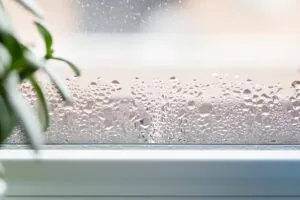
November 7, 2025 – If you’ve spotted fog or moisture on your windows, your first thought might be: Are my windows failing? But in most cases, condensation isn’t a window problem—it’s a humidity problem. Let’s break down what window condensation really means and how to manage it effectively.
Do Windows Cause Condensation?
Windows don’t create condensation— they’re simply the first visible surface where it appears. Just like a bathroom mirror fogs up after a hot shower or your car windows mist in humid weather, your home’s windows are often the first place you’ll notice excess moisture in the air.
What Actually Causes Condensation?
Condensation is a natural reaction when warm, humid indoor air meets a cooler surface like glass. Warm air holds more moisture, but as it cools, it contracts and releases that moisture. Since windows are typically the coldest surfaces in your home, they’re the most common spot for condensation to appear—especially during colder months.
Everyday activities add moisture to your home’s air, like:
- Cooking
- Showering
- Washing dishes and laundry
- Breathing
A typical household can release over 15 litres of water vapor per day! And because modern homes are built to be airtight and energy-efficient, that moisture gets trapped inside.
When Is Condensation Most Likely?
- In climates with cold winters (average January temps near or below 0°C)
- After sudden temperature drops
- During the first year after construction or renovation
- On bay or bow windows with limited airflow
- When drapes or blinds restrict air circulation
Is It a Seal Problem or Just Humidity?
If you see condensation on your windows, do your own experiment to test if you are experiencing humidity or a window sealing problem:
- Run your finger across the condensation
- If it leaves a trail and your finger gets wet, the moisture is on the inside—a sign of high indoor humidity.
- If multiple windows show condensation, it’s likely a humidity issue, not a seal failure.
Why Didn’t My Old Windows Fog Up?
Older windows are often drafty, allowing moisture to escape. Newer, energy-efficient windows seal tightly, keeping heat in—but also trapping humidity. That’s why condensation may be more noticeable with modern windows.
What Problems Can Excess Humidity Cause?
Health Risks
High humidity encourages mold and mildew growth, which can trigger allergies, asthma, and other respiratory issues.
Structural Damage
Moisture can deteriorate wood, plaster, insulation, and paint. Over time, it can lead to stains, peeling, and even damage to flooring and structural supports.
How to Reduce Indoor Humidity
Improve Ventilation
- Open windows briefly to release humid air
- Vent gas appliances and dryers outdoors
- Use exhaust fans in kitchens and bathrooms
- Keep attic vents clear
- Group houseplants in one room and avoid overwatering
- Install storm windows to keep glass warmer
Control Moisture
- Use a humidistat or humidity monitor
- Adjust indoor humidity based on outdoor temperatures
Final Thoughts
Condensation isn’t a sign your windows are failing—it’s a sign your home may have too much moisture. By improving ventilation and managing humidity, you can reduce condensation and protect your home’s health and structure. To talk to a Ply Gem Canada sales representative to discuss how new windows could help with ventilation and combating humidity build up in your home, contact us to be connected with your nearest branch.